
This article may contain commentary
which reflects the author’s opinion.
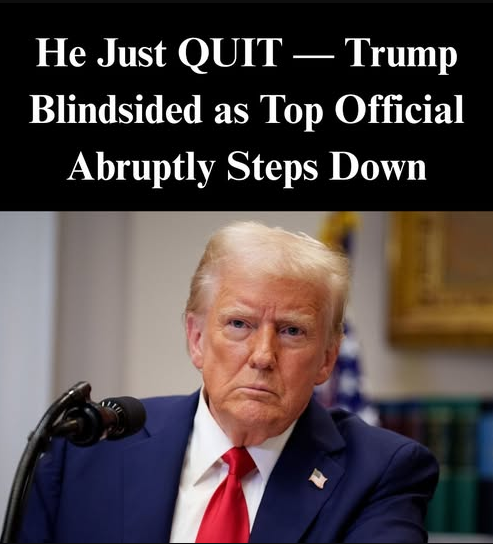
Troy Fitrell, President Donald Trump’s top diplomat in Africa, will leave the State Department at the end of the month. Jonathan Pratt, who is the deputy assistant secretary for the Bureau of African Affairs, will take over. Fitrell is a diplomat in the foreign service and used to be the US ambassador to Guinea. He has worked in a number of roles at the State Department in Africa, including as director of the Offices of Western and Southern African Affairs. He was also the Deputy Chief of Mission in the US embassies in Ethiopia and Mauritius.
A representative for the State Department said, “After a long and distinguished career, Ambassador Troy Fitrell is retiring as planned from the Bureau of African Affairs.” Jonathan Pratt, the Principal Deputy Assistant Secretary for the Bureau of African Affairs, will take over as Senior Bureau Official after Ambassador Fitrell leaves.
Since the Senate has not yet nominated an assistant secretary for the State Department’s African bureau, Fitrell has been in charge of it.
Fitrell, who has been a diplomat for more than 30 years, recently said that the Trump administration is changing the way the US deals with Africa from “one rooted primarily in development assistance to a strategy that prioritizes robust commercial engagement.”
Pratt, who will take over for Fitrell, was the US ambassador to Djibouti from 2021 to 2023. He also worked for the State Department on other missions in Pakistan, Sudan, and Angola.
This is the second well-known person to leave the administration in the last few weeks.
The military leader in charge of the Pentagon’s growing operations against ships in the Caribbean Sea, which the Trump administration says are involved in drug smuggling, said he was leaving.
Adm. Alvin Holsey, who is in charge of the U.S. Southern Command, which oversees all operations in Central and South America, is leaving his job. This is happening even though the Pentagon quickly sent about 10,000 troops to the area for what it calls a major counterdrug and terrorist effort.
Admiral Holsey’s sudden resignation, which happened less than a year into a three-year term and during the biggest operation of his 37-year career, is still not clear. But two U.S. officials, one current and one retired, who spoke anonymously about personnel problems, said that Admiral Holsey had raised concerns about the operation and the attacks on the supposed drug ships.
Defense Secretary Pete Hegseth did not say anything about having problems with his four-star commander in a statement.
“On behalf of the Department of War,” Hegseth said, adding, “We extend our deepest gratitude to Admiral Alvin Holsey for his more than 37 years of distinguished service to our nation as he plans to retire at year’s end.”
Some Pentagon insiders indicated that there were policy disagreements on Venezuela that the admiral did not agree with, and these were not in line with the Trump administration.
The announcement of the admiral’s retirement follows a report by CNN indicating that the Trump administration had clandestinely permitted the C.I.A. to execute covert operations in Venezuela.
President Donald Trump declared that he had approved the secret operation and hinted that the US was thinking about attacking Venezuela.
The U.S. military is also thinking about possible escalation and coming up with options for Trump, including strikes inside Venezuela.
The Trump administration has said that its attacks on drug trafficking suspects are a way to protect the country from a rise in overdose deaths in the U.S.
The size and scope of the U.S. military buildup in the Caribbean are very large. There are about 10,000 U.S. forces stationed in Puerto Rico, mostly at bases there. There are also 2,200 Marines on amphibious assault ships.